I've personally witnessed the devastating impact of psychosis on people close to me. At least three members of my family and a family friend have experienced serious mental health crises in which cannabis use was a significant concern. I've seen young people become unrecognisable to their families, consumed by paranoia, hearing voices and struggling to distinguish reality from their own thoughts.
One young man, barely 20, returned from university a completely different person. His family knew something was terribly wrong. He was hearing voices, experiencing acute paranoia and had been consuming large amounts of cannabis alongside other drugs. Yet following a mental health assessment, he was sent home with an explanation of anxiety.
In another case, following the death of a family member, we discovered journals nobody knew existed. Pages filled with Quranic verses, prayers asking God for guidance and notes from religious lectures gradually gave way to what appeared to be written conversations with God. Looking back, I wonder how much suffering was taking place behind closed doors that none of us fully understood.
When good intentions delay treatment
What troubles me most is how some families respond. I've witnessed people experiencing serious mental illness being subjected to religious rituals, having the Quran held over their heads and being made to swear oaths about their behaviour. I've seen families turn to taweez, spiritual healers and explanations involving black magic when what was desperately needed was a psychiatric assessment.
Often these actions come from genuine concern. But good intentions do not make humiliation, intimidation or delayed treatment acceptable. Faith can be a source of tremendous comfort. It should never be used to shame someone experiencing a mental health crisis.
What the science tells us
And the science gives us good reason to take this seriously.
A major European study published in The Lancet Psychiatry in 2019 found that people using high-potency cannabis daily had almost five times the odds of experiencing a psychotic disorder compared with those who had never used cannabis. This does not mean everyone who smokes cannabis will develop psychosis, but the risks, particularly among frequent users, cannot simply be dismissed.
Closer to home, research in West Yorkshire found that young people of Pakistani heritage had a 31% higher recorded risk of first-episode psychosis than their White British counterparts. A 2024 East Lancashire study also found elevated rates among Pakistani residents. These studies do not establish that cannabis caused those differences, but they raise important questions about mental health, social circumstances and access to support.
Research among Pakistani and Bangladeshi young people in Northern England has also documented how high-strength cannabis had become normalised within some youth networks. Meanwhile, studies exploring South Asian experiences of psychosis have highlighted the influence of shame, family expectations and difficulties seeking help.
The silence within our communities
We cannot continue pretending these problems don't exist simply because discussing them makes us uncomfortable.
Within our communities, concepts such as izzat and sharam can sometimes make people more frightened of public judgement than of the illness itself. Young people may hide their drug use, parents may struggle to recognise the warning signs, and families may reach for familiar spiritual explanations without understanding the urgency of what is happening.
We need to wake up.
What needs to change
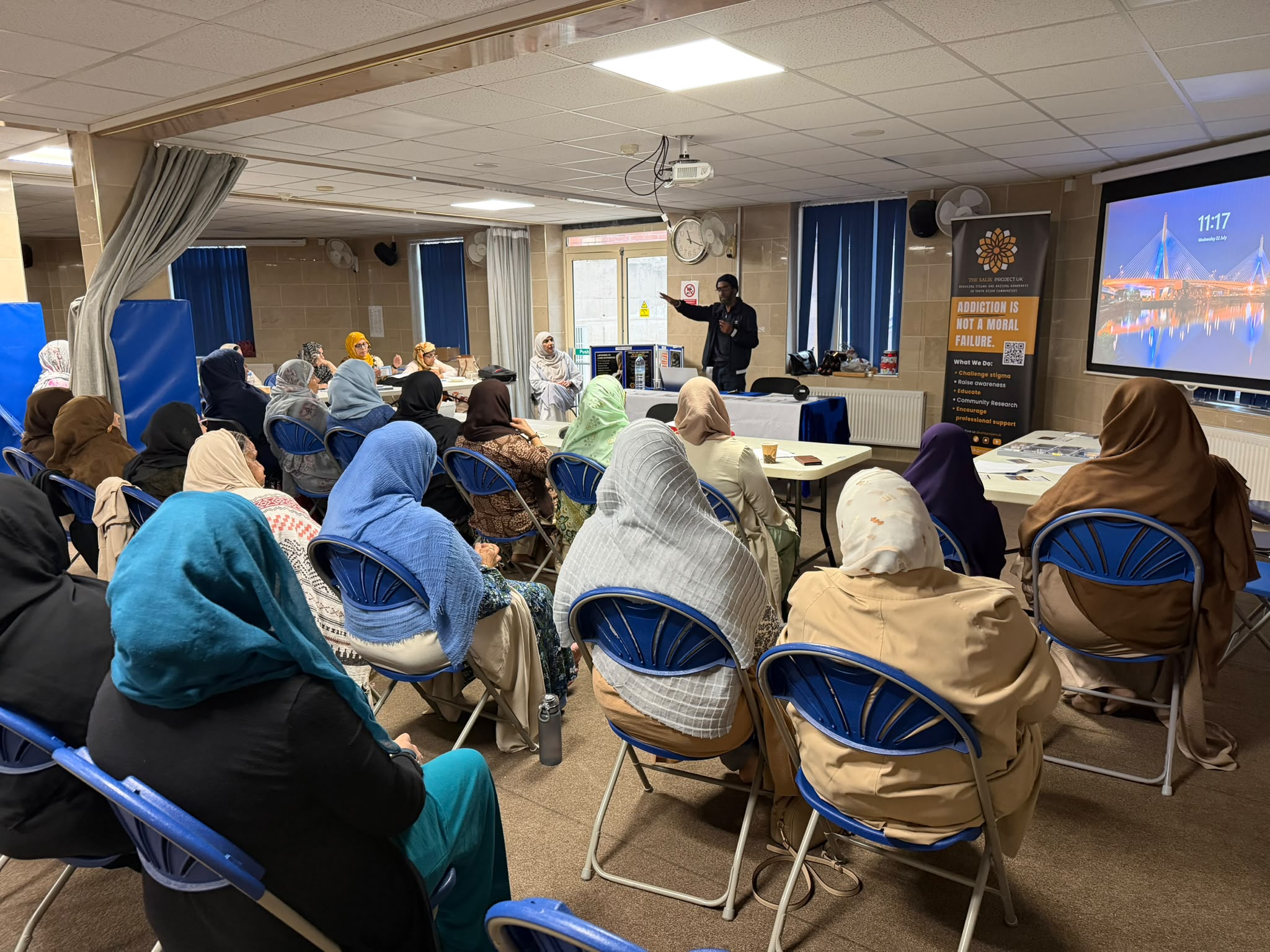
Prevention must begin long before a young person experiences a psychiatric crisis. That means honest conversations about cannabis in our homes, schools, mosques and community centres. It means teaching parents to recognise warning signs such as paranoia, hearing voices and sudden changes in behaviour. It means equipping faith leaders to recognise when someone needs professional mental health support and ensuring families know where to turn.
Above all, it means creating communities where young people can talk openly about drugs, distress and mental illness without fear of humiliation.
We cannot prevent every case of psychosis. But we can challenge misinformation, reduce stigma, encourage safer choices and help people access treatment earlier.
No young person should have to lose touch with reality before their family feels able to have an honest conversation. And no family should have to wait until tragedy strikes to understand what their loved one was going through.
Research supporting the article: Lancet Psychiatry (2019) · Yorkshire study (2019) · East Lancashire study (2024)